
Literacy How: Phonemic Awareness Playlist
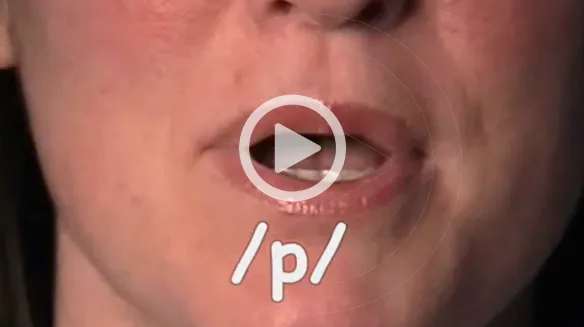
A curated playlist of literacy videos offering research-aligned explanations and demonstrations to support effective reading instruction.
Teaching Literacy Podcast: Phonemic Awareness
Teaching Literacy Podcast: Phonemic Awareness: Unpacking Recent Meta-Analysis Findings with Dr. Florina Erbeli and Dr. Marianne Rice.
A 2020 Perspective on Research Findings on Alphabetics
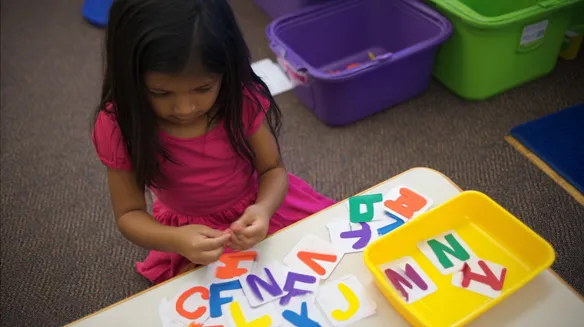
This document explains key concepts in alphabetics and offers research-based guidance on how explicit instruction in letter-sound relationships supports early literacy development.
Alphabet Knowledge
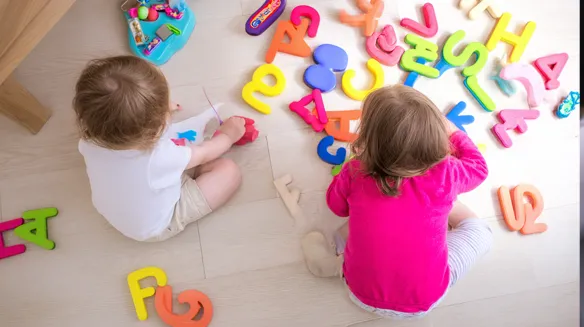
This set of resources brings together research on early alphabet learning, a podcast with Dr. Shayne Piasta on alphabet instruction strategies, and a curated collection of science-aligned practices that support decoding and the orthographic mapping process.
Letter-Sound Correspondences

This article highlights research demonstrating that explicit and systematic phonemic awareness and word-reading instruction helps students understand how sounds connect to letters and patterns, a key factor in preventing reading difficulties. Complementing this, Dr. Louisa Moats discusses the decoding strand of Scarborough’s Reading Rope in the accompanying podcast, explaining how these foundational skills contribute to overall reading success.
Reading Rockets: Fluency
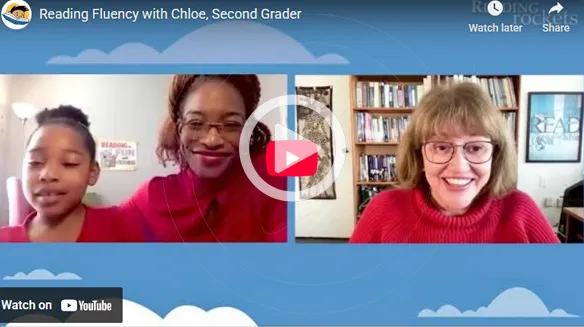
This video details a reading intervention in which expert Linda Farrell guides a second-grade student through a hierarchical approach to fluency, prioritizing 100% accuracy before addressing reading rate and expression. By systematically mastering each component in this specific order, the student successfully transitions from slow, word-by-word decoding to the natural, automatic reading style necessary for comprehension.
Reading Fluency: Key to Comprehension
In this video, Dr. Jan Hasbrouck defines reading fluency and discusses its role as a critical link between accurate word reading and deep comprehension. She also addresses common misunderstandings about fluency and explains why it matters for skilled, motivated readers.
Literacy Leadership Brief: Reading Fluently Does Not Mean Reading Fast

This brief challenges the common misconception that fluent reading is simply fast reading. Drawing on research, it explains how fluency includes accuracy and expression, why it matters for comprehension, and how educators can better understand and support fluency development.
Instructional Protocols: Vocabulary

These protocols provide educators with research-aligned, step-by-step guidance for planning and delivering effective vocabulary instruction.
Vocabulary and Oral Language Webinars
These webinars provide insight into the role of vocabulary and oral language in literacy, offering practical guidance educators can use to enhance instruction and support students’ language growth.