Literacy Development Modules Knowledge, Instruction, and Implementation Resources Integrated by Domains of Literacy Development.
These introductory materials were developed by the Virginia Literacy Partnerships (VLP), a statewide SOR partnership between the Virginia Department of Education and the University of Virginia. VLP resources include video and print materials in each of the key domains of reading development.
Vocabulary & Oral Language
Oral Language & Vocabulary Video
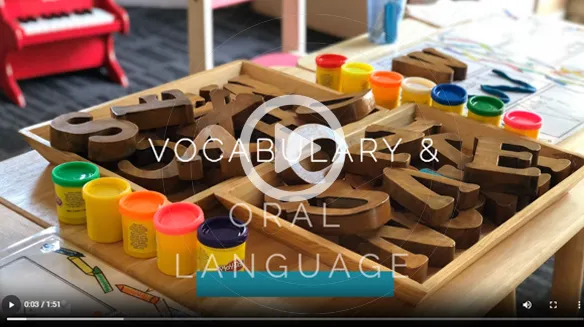
This video highlights the connection between vocabulary and oral language development and explains how both support strong reading comprehension.
These webinars provide insight into the role of vocabulary and oral language in literacy, offering practical guidance educators can use to enhance instruction and support students’ language growth.
Teaching and Learning Vocabulary: Complexities of Vocabulary Instruction
This academic article explains why vocabulary instruction must be intentional, long-term, and multifaceted. It highlights how students build word knowledge through direct teaching, rich language experiences, and repeated exposure across contexts.
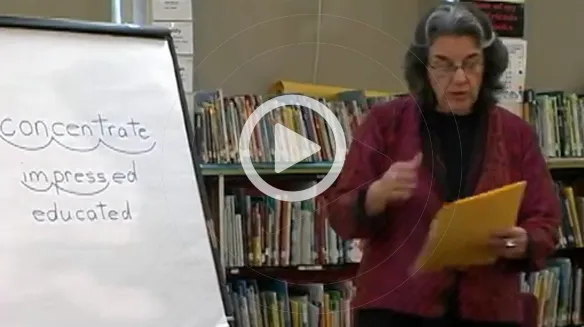
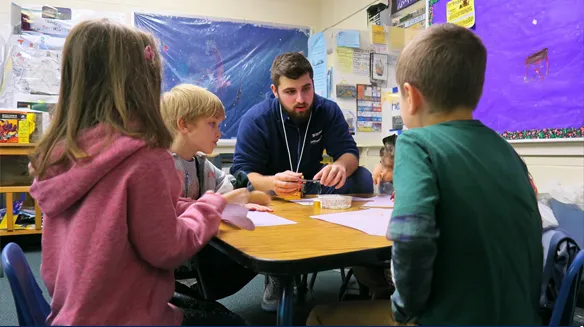
This video highlights explicit instructional practices in an elementary setting, illustrating key components such as clear modeling, guided practice, and active student responding to support effective learning.
Mr. Zamora, a fourth-grade teacher, noticed that despite rich classroom discussions, many students struggled to understand and use key vocabulary needed to comprehend text. After reviewing assessment data, he recognized vocabulary as a critical student need and began seeking more effective instructional strategies beyond memorization to support consistent vocabulary development.
A 2020 Perspective on Research Findings on Alphabetics
This document explains key concepts in alphabetics and offers research-based guidance on how explicit instruction in letter-sound relationships supports early literacy development.
This video highlights a key literacy concept and offers practical insights to help educators deepen their understanding of evidence-based reading instruction.
This video highlights an important concept in literacy teaching and presents strategies to help educators strengthen their practice based on evidence-informed approaches.
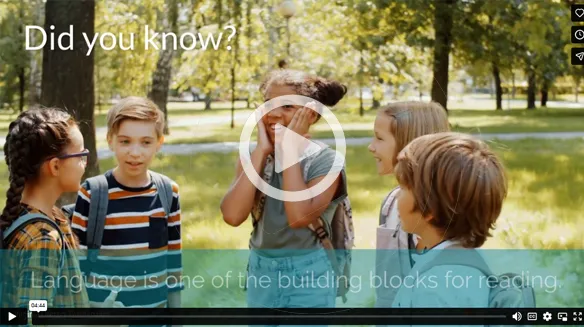
Language comprehension and word recognition woven together lead to skilled reading. So language development is crucial for reading development. Language development begins at birth.
This video highlights essential concepts in literacy instruction and shares practical explanations to help educators deepen their understanding of evidence-based reading practices.
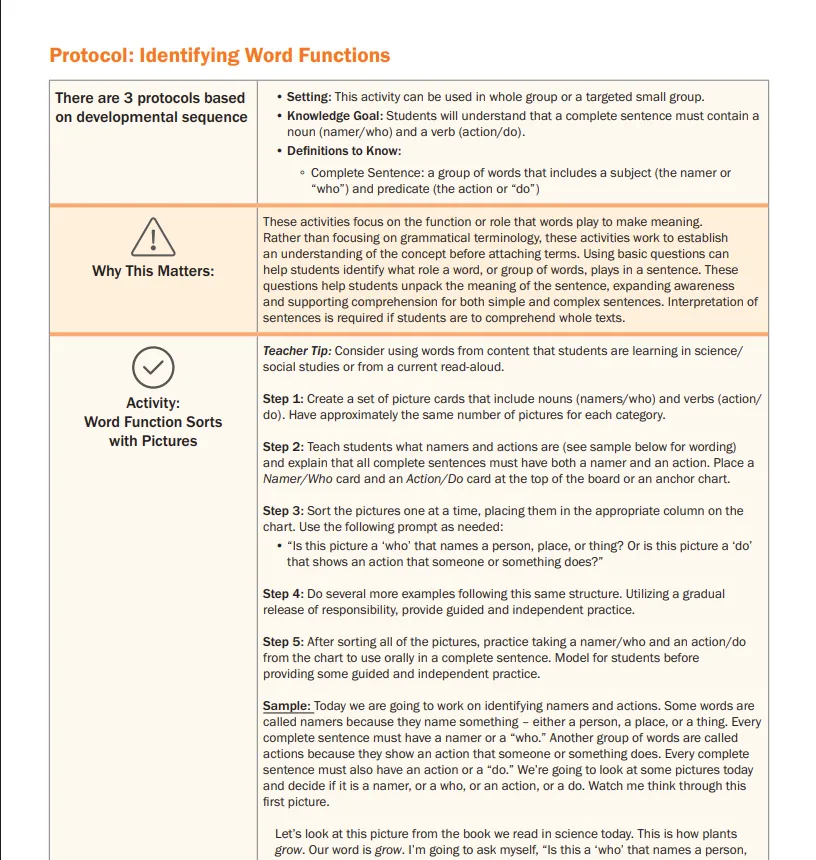
These instructional protocols offer practical, research-aligned routines for teaching key literacy skills. The collection includes resources focused on identifying words, understanding sentence types, producing complete sentences, and developing phonological awareness.
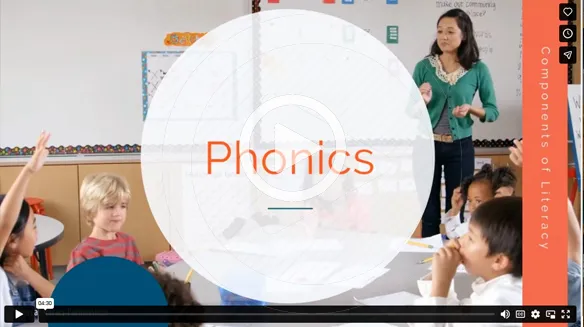
This video explains the VALUE framework for phonics instruction, highlighting how systematic phonics supports reading development and provides practical examples of phonics strategies in classroom practice.
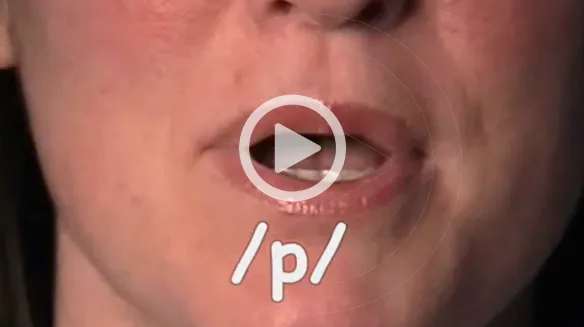
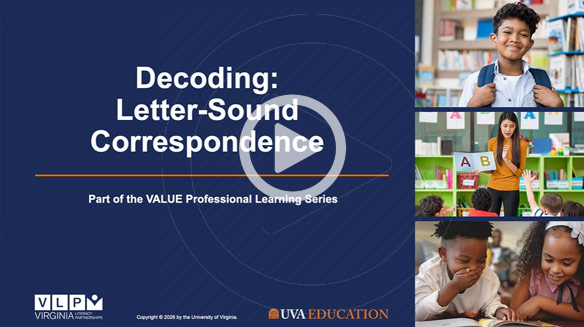
This video provides an overview of the decoding side of phonics instruction, explaining how learning to read and write an alphabetic language like English requires teaching the relationships between speech sounds and the letters or graphemes that represent them.
Sample lessons follow an explicit, systematic, and sequential approach that begins with phonemic awareness, introduces sound-spelling patterns, and moves to decoding and applying skills in decodable text.
This article highlights research demonstrating that explicit and systematic phonemic awareness and word-reading instruction helps students understand how sounds connect to letters and patterns, a key factor in preventing reading difficulties. Complementing this, Dr. Louisa Moats discusses the decoding strand of Scarborough’s Reading Rope in the accompanying podcast, explaining how these foundational skills contribute to overall reading success.
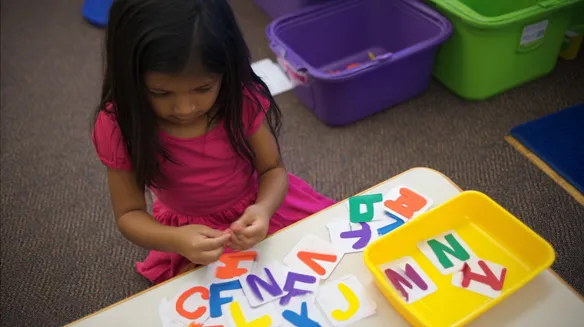
This set of resources brings together research on early alphabet learning, a podcast with Dr. Shayne Piasta on alphabet instruction strategies, and a curated collection of science-aligned practices that support decoding and the orthographic mapping process.
In this video, you’ll learn how the National Reading Panel recognized reading fluency as a core skill for comprehension and why fluency matters for building strong, proficient readers.
This webinar explains the critical role fluency plays in skilled reading and offers ready-to-use instructional activities to support fluency development in the classroom.
This resource provides fluency instructional protocols, including choral reading, echo reading, fluent phrasing, phoneme–grapheme mapping, and repeated reading, to support educators in building students’ fluent, expressive reading skills.
Literacy Leadership Brief: Reading Fluently Does Not Mean Reading Fast
This brief challenges the common misconception that fluent reading is simply fast reading. Drawing on research, it explains how fluency includes accuracy and expression, why it matters for comprehension, and how educators can better understand and support fluency development.
In this video, Dr. Jan Hasbrouck defines reading fluency and discusses its role as a critical link between accurate word reading and deep comprehension. She also addresses common misunderstandings about fluency and explains why it matters for skilled, motivated readers.
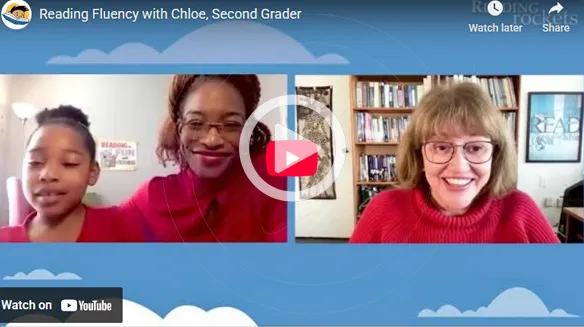
This video details a reading intervention in which expert Linda Farrell guides a second-grade student through a hierarchical approach to fluency, prioritizing 100% accuracy before addressing reading rate and expression. By systematically mastering each component in this specific order, the student successfully transitions from slow, word-by-word decoding to the natural, automatic reading style necessary for comprehension.
This instructional framework supports comprehension planning by outlining goals, key vocabulary and language supports, and strategies for structuring before-, during-, and after-reading instruction.
This webinar examines the major elements of language comprehension, offering guidance to help educators recognize where students may need more targeted instruction and to expand their own knowledge of specific language skills.
This video highlights evidence-aligned strategies for literacy development, providing practical explanations to help educators deepen their understanding of instruction.
This resource shows how explicit instruction in sentence structure supports comprehension and writing. It provides ready-to-use activities that help students develop syntactic awareness by manipulating, expanding, and combining sentences.
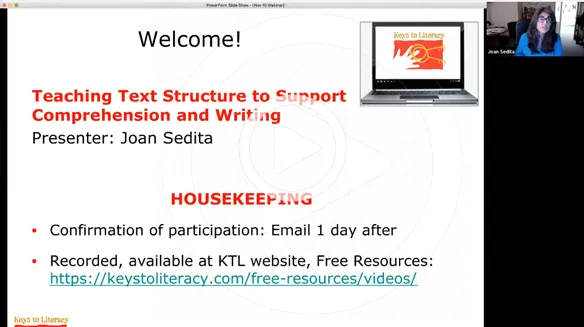
Webinar: Text Structure to Support Comprehension & Writing
In this webinar from Nov. 10, 2020, Joan Sedita (founder of Keys to Literacy) shares instructional practices for teaching text structure at the sentence, paragraph, and longer text levels.
Teaching Text Structure to Support Reading Comprehension
Understanding text structure is key to reading comprehension and also helps strengthen writing skills. In this section you’ll learn about the 5 most common text structures and how to help students learn to identify and use text structures in their reading and writing.
This video presentation by Dr. Kate Cain is part of a series celebrating the 20th anniversary of the publication of Hollis Scarborough’s Reading Rope. Dr. Cain focuses on the verbal reasoning strand of the reading rope in this presentation.
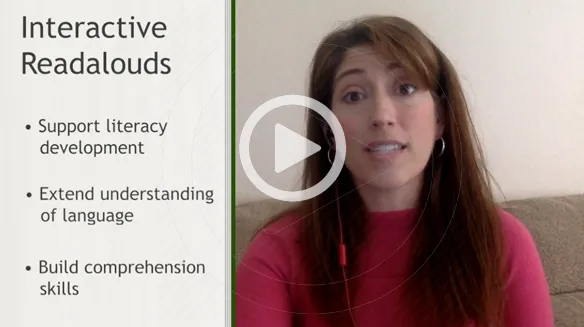
This REL West video demonstrates how to facilitate an interactive readaloud of a story with young students in a face-to-face or distance learning environment. The routine is aligned with evidence-based recommendations from the What Works Clearinghouse Practice Guide Improving Reading Comprehension in Kindergarten Through 3rd Grade and may be especially beneficial for students whose home language is not English.
TeachSOR is planning to develop a community of faculty, researchers and leaders working to strengthen literacy instruction in teacher preparation programs. Join us!