Instructional Systems & Curricula
Comprehensive Approaches and Specific Curricula
Comprehensive Systems for Reading Instruction
Learning to read involves many skill domains (language, vocabulary, phonemic skills); effective reading instruction must support development in all these skill domains for many years. This section of TeachSOR includes tools for educators to evaluate instructional coverage of these skill domains and the curricula, assessment, and instructional practices that form a comprehensive approach.
The Reading League Curriculum Evaluation Guidelines 2023
This rubric provides guidelines for evaluating instructional materials based on their alignment with the Science of Reading.
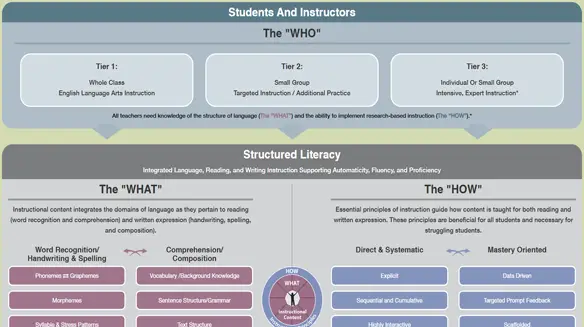
Structured Literacy Education Infographic
This is an overview of a structured literacy approach that can be used with other materials.
Practice Guides shared by the Institute of Educational Sciences
Includes: Foundational Skills to Support Reading for Understanding in Kindergarten Through 3rd Grade, Improving Reading Comprehension in Kindergarten Through 3rd Grade, and Providing Reading Interventions for Students in Grades 4–9.
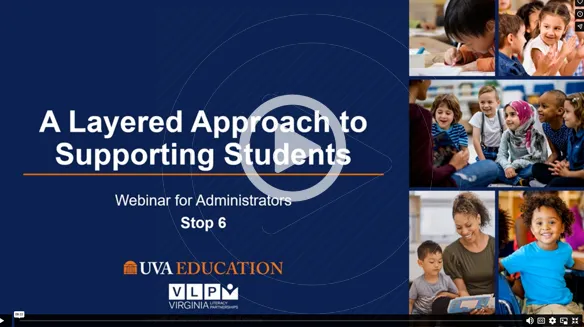
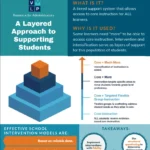
A Layered Approach to Supporting Students
A tiered support system that allows access to core instruction for ALL learners. Some learners need “more” to be able to access core instruction. Intervention and intensification serve as layers of support for this population of students.
Virginia Literacy Partnerships: Downloadable Instructional Resources
Instructional routines created by Virginia Literacy Partnerships that present evidence-based literacy instruction within the framework of a gradual-release model.
Information about Specific Curricula
It is essential for educators to select curricula that present evidence of improving students’ skills and that are easily implemented in elementary school classrooms with students who have differing background, and skills. These materials are helpful for early career teachers’ knowledge and decisions related to selecting the most appropriate and evidence-based tools for their students.
Curriculum HQ: State Action Map
A summary of each states’ work in SOR and includes approved curricula and other tools. How does my state encourage the use of high-quality instructional materials? The CurriculumHQ map provides a snapshot of state action by highlighting publicly available answers to questions across four categories: Curriculum Resources, Adoption Guidance & Tools, Professional Learning, and Data.
The Reading League: Interactive State Map
Use the interactive state map to find descriptions of state-level policy adoption, guidance, and practices related to the science of reading. State policy may include legislation incorporating training or practices related to the science of reading or state education agency guidance regarding policy, professional development, curricula, instruction, or assessment.

Evidence-Based Reading Programs: Evidence for ESAA
A broad overview of instructional programs and curricula that research has shown to be effective.
IES Intervention Reports
Summaries of research on specific curricula and instructional programs that have a track record of effectiveness.
Teaching Comprehension and Writing
This collection features research-based practice guides from the Institute of Education Sciences’ What Works Clearinghouse (WWC). Each guide provides evidence-informed recommendations and classroom-ready strategies to support effective instruction in key areas of literacy development, including reading comprehension, instruction for English learners, and writing.
Approaches to Instructional Practice
These materials provide contemporary, evidence-based content in SOR instruction, reflecting recent research on how reading develops, the role of instruction, and the different components of reading proficiency. All have been used with practicing teachers and in teacher preparation.
Science-Based Reading Instruction
This short video introduces the science-based research behind how children learn to read, created by the Virginia Literacy Partnerships’ professional development team to support evidence-aligned instruction.
Webinar: Science-Based Reading Instruction for Teachers
This video highlights key insights from science-based reading research, created to support evidence-aligned literacy instruction and classroom practice.
National Center on Intensive Intervention
This page helps educators, school leaders, and support staff access tools and resources for implementing intensive intervention. This data-based approach supports students with severe or persistent academic and behavioral needs, including those with disabilities or those who have not responded to validated interventions.
The two resources sub bulleted below are sample lessons and should only be used as demos that reflect what a strong curriculum would look like.
Intensifying Literacy Instruction
This document outlines research-supported practices designed to help educators and school leaders strengthen literacy instruction for a wide range of learners. It highlights essential strategies that should be central to professional development aimed at supporting students who need intensified literacy support to become skilled readers and writers.
Intensive Intervention in Reading Course Content
This course provides a deep dive into intensive reading intervention using the data-based individualization (DBI) process, offering modules and resources to help educators strengthen supports for students with persistent reading challenges.
Teaching and Learning Exploratory: High Leverage Practices
This resource introduces high-leverage teaching practices curated by TeachingWorks, offering tools and practice-based materials that support effective instruction across diverse learning environments.
Virginia Literacy Partnerships
These resources provide educators with Core Instruction guidelines, which detail the evidence-based, literacy curriculum to ensure students receive scientifically grounded reading instruction. The accompanying Admin Packages support school leaders with the necessary frameworks, data tools, and professional development plans to effectively implement, monitor, and manage this core curriculum across their districts.
Carol McDonald Connor: Tier 1 Differentiation
Dr. Connor explains how teachers can group students according to learning needs during regular instruction, what school administrators can do to support teachers’ use of differentiated instruction in the classroom setting, and small group management.
Evidence-Based Literacy Instruction
This fact sheet explains what evidence-based practices are and why they matter in schools. According to the Elementary and Secondary Education Act, an evidence-based practice is one that demonstrates positive effects on student outcomes through research with strong, moderate, or promising levels of evidence.