
Models of Reading

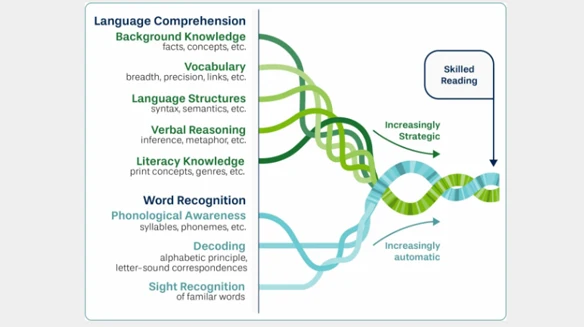
Research has identified core components that contribute to skilled reading. Conceptual models such as the Simple View of Reading (SVR) and Scarborough’s Reading Rope provide research-based frameworks for understanding how word recognition and language comprehension work together to support reading development. These models offer a foundation for exploring additional resources in this section.
The Simple View of Reading (SVR)
Scarborough’s Reading Rope
The Reading is Language Model
This introduces the Reading is Language (RIL) model, a theoretical framework developed by OxEd & Assessment that emphasizes oral language as the fundamental building block for all literacy skills. The model argues that early language proficiency is the primary predictor of later success in both word decoding and reading comprehension, advocating for early assessment and targeted intervention to improve long-term educational outcomes.
Foundational Skills to Support Reading for Understanding in Kindergarten Through 3rd Grade

This piece is helpful for a more in-depth understanding of the components of literacy and how they can be supported over the early grades of school.
Preparing Young Children for School

This introductory piece describes factors that support children’s early success in school, including the role of the family and the importance of early language development and social skills.
IRIS Center Resource
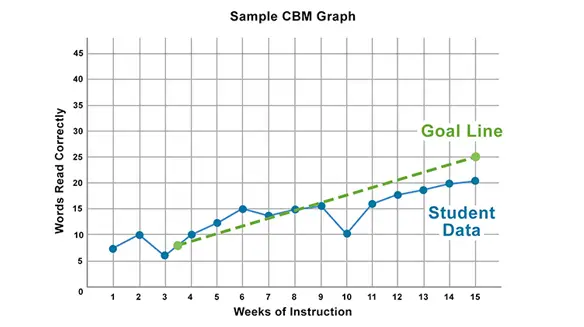
To more quickly evaluate a student’s performance over time, the educator will find it helpful to add a goal line to the student’s graph. The goal line represents the progress a student is expected to make throughout the year.
Intensive Intervention in Reading Course Content

Intensive instruction was recently identified as a high-leverage practice in special education, and DBI is a research based approach to delivering intensive instruction across content areas (NCII, 2013). This course provides learners with an opportunity to extend their understanding of intensive intervention through in-depth exposure to DBI in reading, complete with exemplars from actual classroom teachers.
Intensifying Literacy Instruction
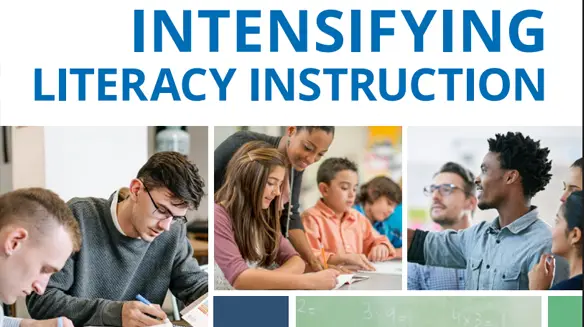
The purpose of this document is to increase the capacity of practitioners and educational leaders to support a broad range of learners who need more literacy supports to become skilled readers and writers by identifying a set of essential practices that are research-supported and should be the focus of professional development.
National Center on Intensive Intervention

To help state and local education leaders, faculty, professional development providers, and educators implement intensive intervention through data-based individualization.
The Science of Reading: Defining Guide
The Science of Reading: Defining Guide provides a firm definition of what the science of reading is, what it is not, and how all stakeholders can understand its potential to transform reading instruction.
Science of Reading Myths and Misconceptions

Explore common myths about learning to read and discover research-based practices that lead to more effective and equitable instruction.