
The Science of Reading: An Overview

The Science of Reading brings together research on how children learn to read and what effective instruction looks like. This overview highlights key principles and clears up common misconceptions to help educators support every learner.
What We Know About Reading and the Brain
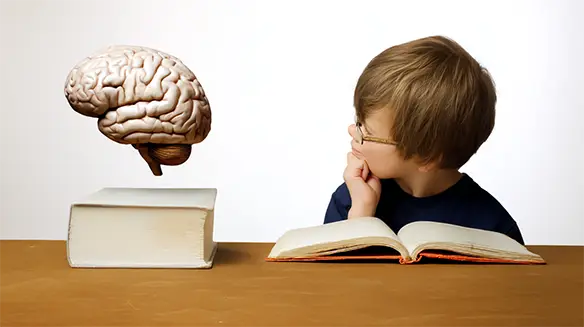
Learning to read involves neurological processes fundamental to understanding how instruction works and is necessary. This brief piece explains the brain connections to literacy skills and teaching.
Typical Reading Development
Learn about the typical stages we see in children as they become readers, from pre-K through high school. Literacy begins with a strong foundation in oral language comprehension and word recognition (decoding).
Create a Goal Line: IRIS Center Resource
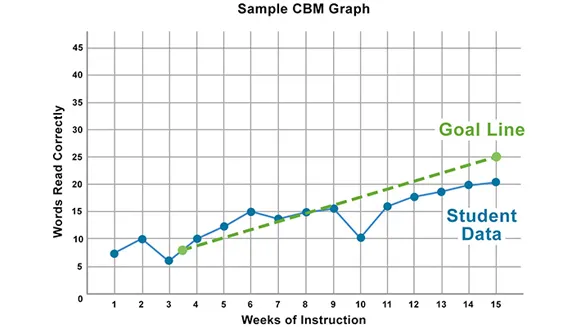
This resource guides educators through creating a goal line on student graphs, an essential tool for visualizing expected progress and guiding instruction.
How Words Cast Their Spell

Spelling is an integral part of learning the language, not a matter of memorization.
The Science of Reading Progresses
This article highlights key developments in reading science that build on the Simple View of Reading, emphasizing the additional cognitive and linguistic factors that contribute to successful reading.
Hoover & Tunmer’s Response

Provides a comprehensive, evidence-based roadmap of how children transform from beginning readers into experts. The authors argue for a “balanced and developmentally informed” approach that reconciles long-standing debates by explaining why systematic phonics is essential for “cracking the code,” while also detailing how advanced fluency and deep comprehension require a rich foundation of language, vocabulary, and background knowledge.
Kim’s DIER Model

This argues that while the Simple View of Reading is a useful starting point, it is insufficient for modern instruction because it overlooks the complex, overlapping roles of executive function, self-regulation, and morphological awareness. The authors propose the Active View of Reading model, which provides a more comprehensive framework for educators by mapping out the specific, “active” processes that bridge the gap between basic word recognition and deep language comprehension.